Stake VPN Guide 2026: What Actually Works and What Gets You Locked
An honest 2026 guide to using a VPN with Stake.com: why the site blocks certain regions, what a VPN can and cannot fix, the mistakes that get accounts flagged, and the safer alternative.
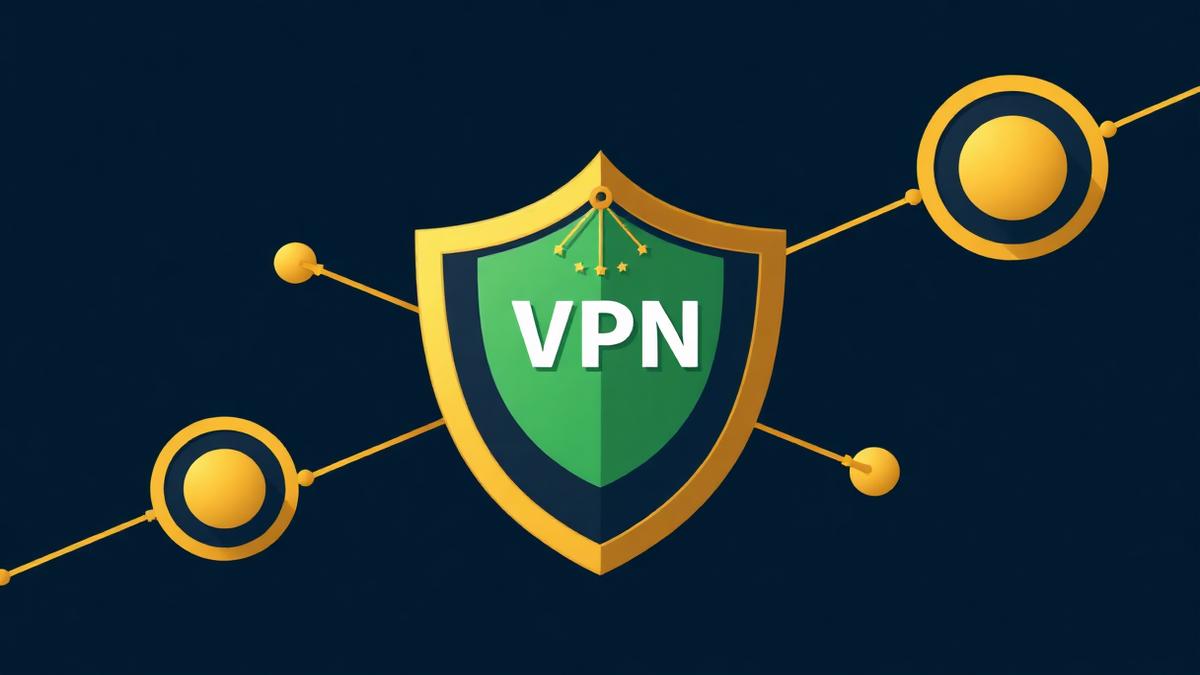
Search volume for "Stake VPN" is huge, and for good reason: stake.com geo-blocks a long list of countries, and a VPN looks like the obvious fix. It is only half a fix. Here is what a VPN actually changes, where it fails, and what gets accounts flagged.
Why Stake blocks some regions in the first place
Stake operates under a Curacao licence and blocks countries where it has no local permission or where a national regulator forces the block. The restriction is applied at signup, at login and again at withdrawal, so a block is never a single check you slip past once.
- IP geolocation on every session
- Registration country tied to your KYC documents
- Payment and withdrawal checks on larger cashouts
- Behavioural signals like sudden country hopping
What a VPN can and cannot do
A VPN changes one signal, your IP address. That is enough to load the site and keep a session alive. It does not change the country attached to your verified identity, and it does not create an account for you if signup from your region is blocked at the document stage.
- Can do: reach the site when your ISP or region blocks the domain
- Can do: keep a session stable while you travel
- Cannot do: pass KYC with documents from a restricted country
- Cannot do: undo a restriction already applied to an account
The mistakes that get accounts flagged
- Switching between five different server countries in one day
- Using free VPNs with recycled IPs already tied to abuse
- Logging in through a VPN and then from your real IP minutes later
- Depositing with a payment method registered in a different country than your session
- Leaking DNS or WebRTC so your real location shows anyway
The pattern matters more than the tool. One stable server, one country, used consistently, looks like a person who moved. Constant hopping looks like evasion.
How to pick a VPN for Stake
- Paid provider with dedicated or residential IPs, not free shared pools
- Confirmed DNS and WebRTC leak protection
- A kill switch so a dropped tunnel never exposes your real IP mid-session
- Servers in a country where Stake operates normally
The safer route: an account that is already verified
The reason a VPN feels unreliable is that people use it to fight the verification wall, not just the IP wall. A pre-verified account removes that wall entirely: KYC is already complete, the account has history, and your VPN only has to do the one job it is good at, giving you a stable connection.
- KYC already cleared, no document upload from a restricted region
- Original owner email included so recovery stays in your hands
- Existing account history instead of a fresh login from a new country
- Rakeback and VIP progress live from the first deposit
FAQ
Does Stake ban you for using a VPN?
Stake does not hunt VPN users on sight, but it does act on inconsistent location signals, mismatched payment countries and failed verification. Stable, consistent use draws far less attention than constant server hopping.
Which VPN country works best for Stake?
Pick one country where Stake operates normally and stay on it. Consistency beats picking the theoretically perfect server and switching every session.
Can I verify a new Stake account through a VPN?
No. Verification uses your identity documents, not your IP, so a VPN does not help if your documents come from a restricted country. That is exactly the gap a pre-verified account closes.
Ready to buy a verified Stake account?
Instant delivery, original email handover, 24/7 Telegram support.
Browse accounts